The essentials
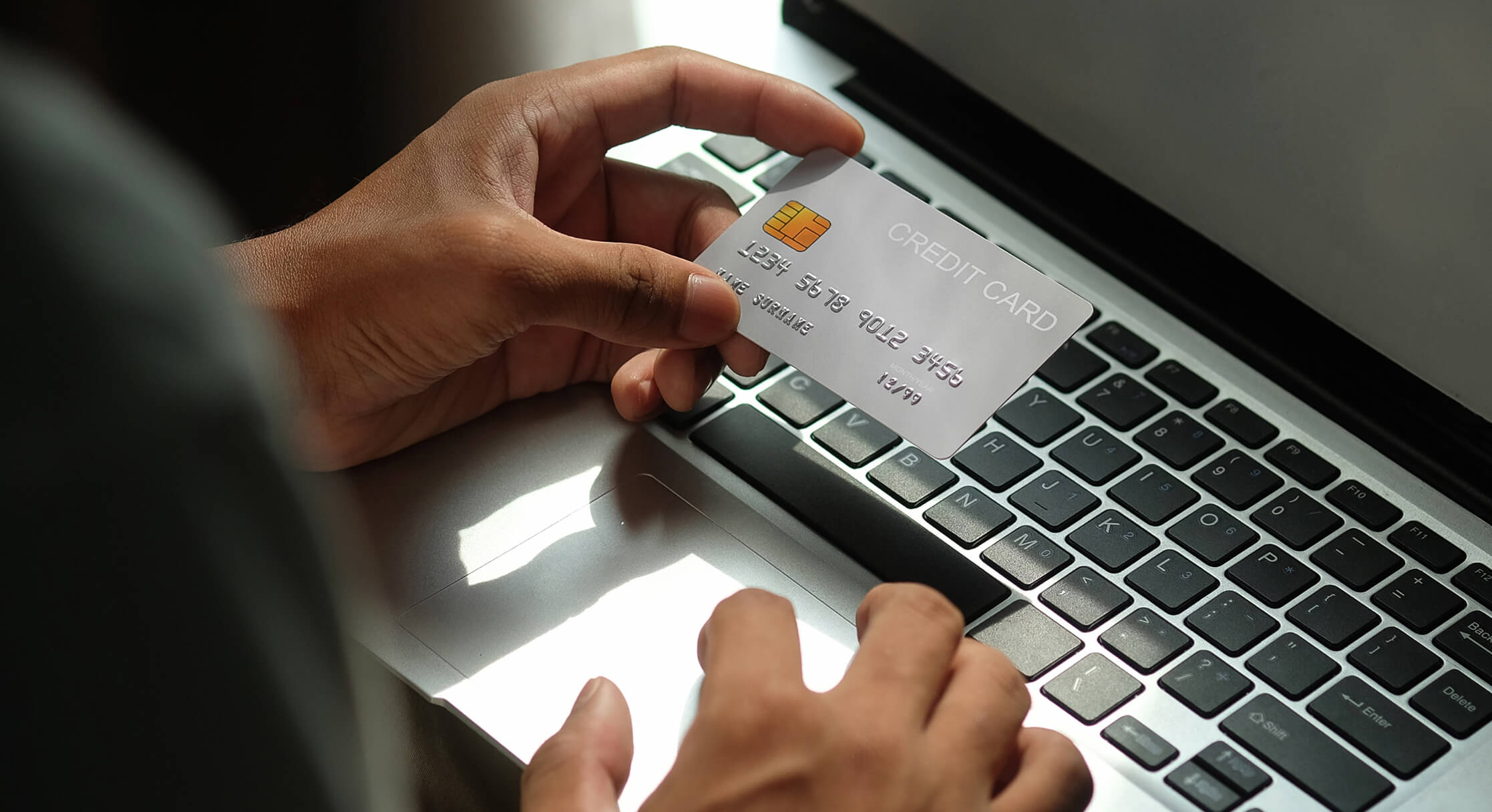
A damage photo can now be generated or edited with AI in minutes, and on your own store a fake one costs you the full refund of an item that had nothing wrong with it. The law gives you no head start: a fault that appears soon after delivery is presumed to have existed on delivery. Build your evidence before shipping, with photos of the item, a unique code on it and, if you pack alone, a packing video. When a claim looks off, ask for a short video with specific gestures or require the item back. Report clear-cut fraud to the police.
Since March 2026, Vinted sellers in France report losing both the item and the sale after a dispute backed by an AI-generated photo of a damaged item (Journal de l'économie, in French). In the United States, the brands Bogg Bag and Boll & Branch have received fake evidence of the same kind (Practical Ecommerce).
Vinted settles disputes on the seller's behalf. Your own store leaves the decision to you, and that decision rests on the evidence you hold, built before the parcel leaves and checked when the claim comes in.
What a fake damage photo costs you
A real fault on a cheap item is a simple decision: our guide to returnless refunds shows when letting the customer keep it costs less than a return. A fake fault is another matter. Without the fake photo, the sale would have stood: the refund you grant is the full price, for an item that had nothing wrong with it.
The burden of proof sits with you. In the EU, a fault that appears within one year of delivery is presumed to have existed on delivery, unless proven otherwise, and countries may extend that to two years, as France does (Directive (EU) 2019/771, Article 11). In the UK, the period is six months for repair, replacement, price reduction or final rejection (Consumer Rights Act 2015, section 19(14) and (15)). Your counter-evidence has to exist before the parcel leaves.
Build your evidence before shipping
- Photograph valuable items alone on the packing table, with the order number in frame. With nobody in the picture, these photos can be kept for the whole guarantee period.
- Film the packing if you pack alone. A phone or camera fixed above the table records every order with no extra step. Hold the packing slip up to the lens, show the item from every side, then seal the box in frame. The video proves the reference, the condition and the contents of the parcel when it left.
- Weigh the sealed parcel and record the weight with the order: against a parcel reported empty or incomplete, the weight at departure contradicts the claim.
- Seal with tamper-evident tape, which shows any opening: theft in transit becomes visible, and your claim to the carrier gets stronger.
- Mark each item with a unique code: a device's serial number, or a numbered sticker on the item or its packaging. Ask the customer to show it in their photo. The code stops anyone reusing an image found elsewhere or returning a different item. Researchers who interviewed merchants and platform moderators in China recommend this physical marking against generated images (study published in June 2026).
Filming staff: the rules in the UK and the EU
A camera above the packing table films whoever works there, all day. Data protection law treats that as monitoring workers.
In the UK, the Information Commissioner's Office expects you to tell workers about the extent, nature and purpose of the monitoring, to complete a data protection impact assessment for video monitoring, to target areas of particular risk and to switch off audio by default. It considers continuous monitoring of particular individuals justified only in rare circumstances (ICO).
In the EU, your national data protection authority sets the rules, including how long you may keep footage. France's CNIL, for example, does not allow cameras to film employees at their workstation except in particular circumstances, and limits storage to one month in principle (CNIL, in French).
With staff, the safer choice is photos of the item alone, which film nobody. If you still use a camera, frame the parcel and the table, tell your staff before you start recording, and complete the impact assessment.
When a claim comes in
- Ask for a short video with specific gestures: turn the item, show its code, put a finger on the fault. Merchants interviewed for the 2026 study ask for several angles, because a generated image struggles to keep an object consistent from different sides. A legal expert quoted by China Daily advises requiring several gestures and a longer video.
- Send a live-capture link. Some Shopify apps open the customer's camera from a link, with no upload from the photo gallery, so an image edited in advance cannot get through (The Paypers, October 2026, from $29 a month). The customer can still film a screen.
- Check the claim against your data: your packing photos or video (colour, size, quantity, packaging), the delivery date, your exchanges with the customer. In China, an online crab shop spotted the fraud because the number of male and female crabs changed between the customer's photos and video. The investigation earned the buyer eight days of administrative detention, and the shop got its money back (China Daily, December 2025).
- Run the image through Gemini. Its free check detects the invisible watermark of content made with Google's AI tools, and reads Content Credentials when an image carries them (Google Help). An image from another tool passes without a warning: a negative result proves nothing.
- Require the item when in doubt. In the EU, for a faulty item you refund on receipt of the goods or proof of their return, the return being at your expense (Directive (EU) 2019/771, Article 16). In the UK, a customer who rejects goods must make them available for collection, you bear the reasonable return costs, and you refund within 14 days of agreeing they are entitled to it (Consumer Rights Act 2015, section 20). A return label costs less than a fake claim.
- Facing a chargeback, the customer's bank decides on the evidence you send: packing photos or video, proof of delivery, exchanges with the customer.
For a parcel genuinely damaged in transit, the claim goes to the carrier, with its own deadlines and documents: see lost or damaged parcels: who pays and how to claim.
Reporting clear-cut fraud
In England, Wales and Northern Ireland, dishonestly making a false representation to obtain money is fraud, punishable by up to 10 years in prison, including when the claim goes through an automated system (Fraud Act 2006, sections 1 and 2). Report it to Report Fraud, which replaced Action Fraud on 4 December 2025, at reportfraud.police.uk or on 0300 123 2040 (GOV.UK). In Scotland, contact Police Scotland. In the EU, the same act is fraud under national criminal law: file a complaint with the police.
Keep the image you received, your packing evidence and your exchanges with the customer: they make up the file.
Keep the checks proportionate
None of these checks is foolproof, and image detection tools make mistakes too. Keep the customer-side checks for requests that raise a flag: an honest customer asked to film a €15 phone case will not come back, and a merchant interviewed for the 2026 study finds that most customers refuse a live unboxing video. Your packing evidence asks nothing of them.
Proof of delivery belongs in the same file. In ParcelRush, the tracking of every parcel, whatever the carrier, sits in one dashboard, next to the label you created. To try it on your own orders, your first 10 labels are free, with no credit card or subscription.
EU directive, UK Acts, Google's Gemini help and the press and research cited checked in their version of 29 November 2026. The ICO guidance was checked through its published pages as indexed on 29 November 2026, and the CNIL page on 28 November 2026. The penalties and reporting channels described cover the UK; in the EU, they depend on each country's criminal law.

Maëlle Lemarchand CEO of ParcelRush. 15 years in web, UI/UX and e-commerce. Writes about shipping, logistics, e-commerce and marketing. LinkedIn